
New Hanover County Probate Records
Probate in New Hanover County is not assigned to a separate county probate court. The NC Judicial Branch estates help topic explains that clerks of Superior Court serve as probate judges, and assistant clerks conduct many estate hearings. The New Hanover Register of Deeds FAQ also directs wills to the Estate division of the Clerk of Superior Court. That distinction matters because the Register of Deeds handles marriage licenses and recorded instruments, while estate administration and will probate belong with the court clerk.
The broader clerk record framework is supported by North Carolina Chapter 7A court statutes, which include clerk record duties relevant to New Hanover County probate records.
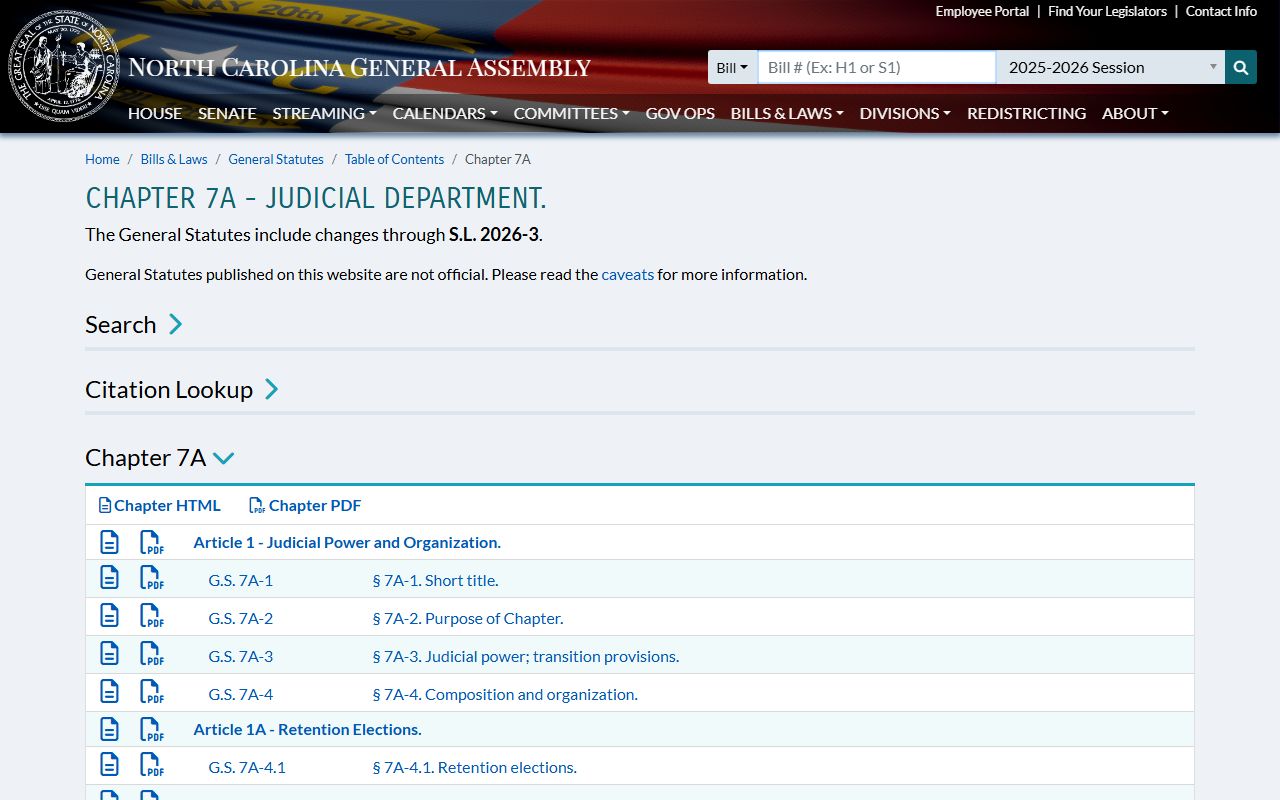
That court-record framework is why estate files belong with the Clerk of Superior Court rather than a county general records office.
Probate records may include a will, application, preliminary inventory, certified death certificate, letters testamentary, letters of administration, yearly allowance filings, inventories, accountings, creditor notices, orders, small-estate filings, guardianship documents, and special proceedings. Caveats to wills and certain contested estate matters can be heard by a Superior Court judge. A person searching New Hanover County probate records should be ready to identify the decedent, estate name, file number if known, and the kind of copy needed.
New Hanover Probate Terms
Estate records use terms that are specific but not hard to sort once the roles are clear. The following definitions fit the New Hanover County probate path used by the Clerk of Superior Court Estates Division.
- Testator
- The person who made a will before death.
- Executor
- The person named in a will to carry out estate duties after appointment by the clerk.
- Intestate
- Dying without a valid will, which can lead to appointment of an administrator instead of an executor.
- Guardianship
- A special proceeding involving authority over a person, estate, or both when legal capacity or minor status is at issue.
- Conservatorship
- A term often used elsewhere for protected property management; in North Carolina, guardianship and related special proceedings are the local court path.
- Caveat
- A formal challenge to a will, often moving disputed issues toward Superior Court review.
Search New Hanover Probate Records
Online estate searching starts with the NC eCourts Portal Smart Search when public case information is available. Searchers can use a record number or a name, then narrow by New Hanover County and available case filters. Hearing dates may be checked through Portal Search Hearings, where "Probate or Mental Health" appears as a hearing type. Portal access does not guarantee that every estate paper or image is available online. For paper files, certified copies, older estates, or unclear results, the local Clerk of Superior Court is still the fallback.
- Search Smart Search by record number or decedent name, using New Hanover County as the location if the filter is available.
- Use advanced filters such as case type, case status, or filing dates when the first search returns too many matches.
- Check Search Hearings if the issue is an estate hearing, caveat, guardianship, or special proceeding date.
- Contact or visit the Clerk of Superior Court when the record needs certification, file review, or a paper copy.
| Field or channel | Type | New Hanover use |
|---|---|---|
| Portal Smart Search record/name field | Text | Search by record number or name. |
| Location | Dropdown | Select New Hanover County when available. |
| Case Type / Case Status | Advanced filters | Useful when public estate or special proceeding filters appear. |
| File Date Start / End | Date | Helpful for recent estates or known filing windows. |
| Search Hearings hearing type | Dropdown | Choose Probate or Mental Health for hearing searches. |
| Clerk counter request | In person or phone | Use estate name, decedent name, file number, and copy type. |
New Hanover Probate Court Office
The local probate office is the Clerk of Superior Court Estates Division at the state courthouse. The courthouse is the place for Clerk of Superior Court functions, public terminals, estates, special proceedings, and local court-record services. The official contact directory publishes division emails, including Special Proceedings, and the clerk main number is the first phone channel.
Clerk of Superior Court Estates Division
New Hanover County Courthouse
316 Princess Street
Wilmington, NC 28401
910-772-6600
Monday-Friday 8:00 AM-5:00 PM
Mail for court business uses New Hanover County Courthouse, PO Box 2023, Wilmington, NC 28402. For estate-specific filings, confirm the current division routing with the clerk before mailing original documents such as wills or certified death certificates.
New Hanover Probate Filing Fees
The estate opening filing fee comes from the NC Judicial Branch estates help topic, while the current court costs PDFs provide updated estates and special proceedings totals. Because court costs can change by year and filing type, the Current Court Costs page should be checked before filing. Do not rely on a general county public-records portal for probate fees.
| Item | Amount or rule | Source note |
|---|---|---|
| Estate opening filing fee | $120 | NC Judicial Branch estates help topic. |
| Guardianship filing example | $120 plus $30 sheriff service | NC Judicial Branch guardianship help topic cited in the clerk fee table. |
| Estates court costs | Check current PDF | Current Court Costs publishes 2026 estates and special proceedings PDFs. |
| Certified estate copies | Confirm with clerk | Copy and certification totals should be confirmed before mailing a request. |
Open a New Hanover Estate
Opening an estate usually begins with determining whether there is an original will. The NC Judicial Branch identifies a will, if any, a certified death certificate, an application, a preliminary inventory, and the filing fee as core estate-opening materials. Forms are available from the clerk or from the Judicial Branch website. eCourts Guide & File is available for probate Year's Allowance, Summary Administration, and Small Estate Administration, which can help users prepare certain filings without drafting from scratch.
- Confirm whether the decedent left an original will and where it is located.
- Contact or visit the Clerk of Superior Court estates or special proceedings division.
- Prepare the application, preliminary inventory, certified death certificate, and will if one exists.
- Pay the required filing fee or ask the clerk about any available fee-relief process.
- Wait for clerk or assistant clerk review of the personal representative appointment and letters.
- Handle notice, inventory, creditor claims, asset management, and accounting after appointment.
What New Hanover Probate Records Show
A public estate file may show the decedent's name, filing date, estate number, applicant or personal representative, will status, bond or letters information, inventories, accountings, claims, orders, and hearing entries. Guardianship and special proceeding files may show petitions, notices, service, orders, reports, and hearing dates. The public view can vary because some sensitive information is redacted, and not every document image is available through anonymous Portal access.
New Hanover County general public-records requests should not be used for local estate files. The county NextRequest page excludes court records, marriage records, divorce records, property records, and background-check records. NCAOC public-records requests are for NCAOC agency records, and NCAOC states that it is not the custodian of local court documents or case information. Estate files belong with the local Clerk of Superior Court.
North Carolina Chapter 51 supports the Register of Deeds role in issuing marriage licenses, which is separate from New Hanover County probate records.
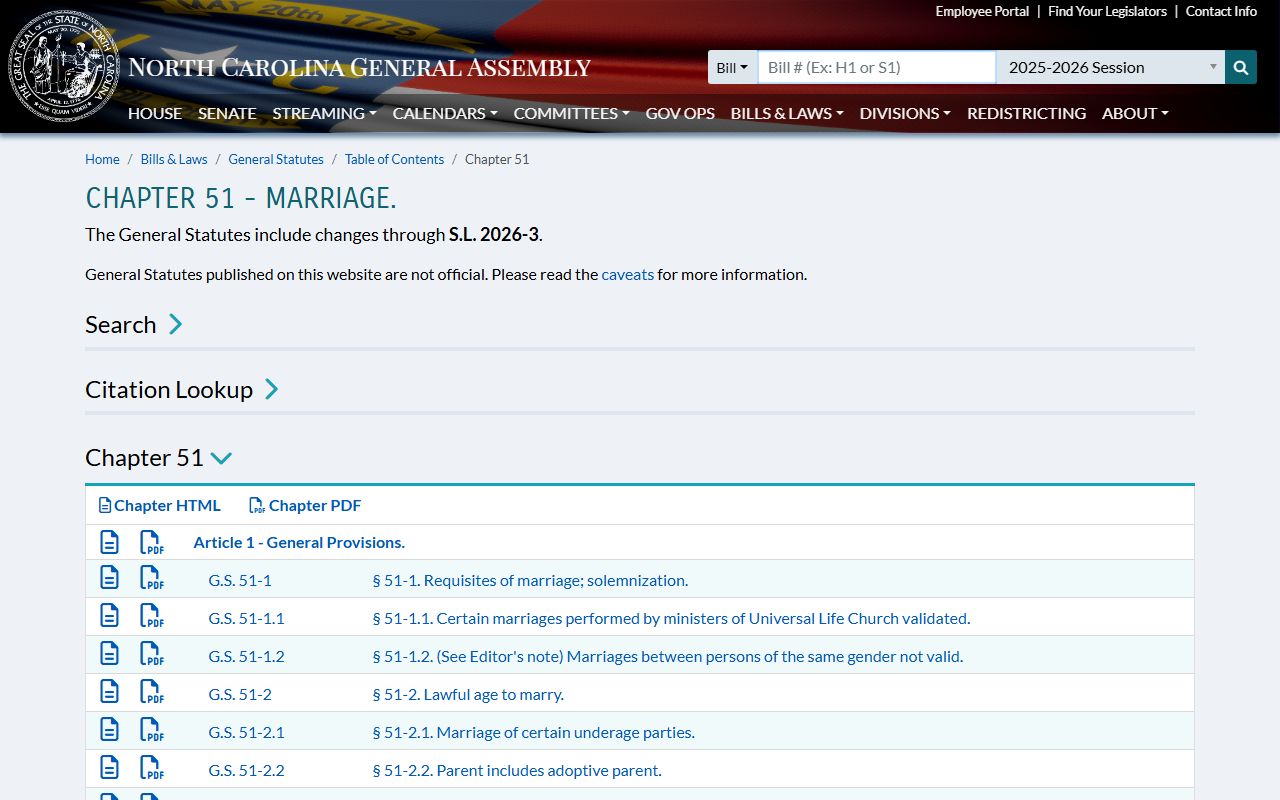
The statute distinction helps separate estate filings from marriage licenses and recorded marriage certificates.
The Register of Deeds records search may show recorded instruments that touch an estate, such as deeds, affidavits, liens, powers of attorney, or older document categories, but that index is not the probate case file. A deed or recorded agreement can help identify property history, while the estate file shows the court administration of the decedent's property. For New Hanover County probate records, the key office remains the Clerk of Superior Court Estates Division. For land records or certified recorded instruments, the Register of Deeds is the correct office.
Restricted New Hanover Probate Records
Probate files are often public, but access is not absolute. Guardianship records, mental-health matters, protected personal identifiers, sealed filings, and documents involving minors may be limited. The public Portal may show a case shell or hearing information without displaying every document. A contested will, caveat, or complex estate dispute may also involve Superior Court proceedings that create a related court record.
Caveats and contested issues can change the access path. The clerk or assistant clerk may handle routine estate administration, but a will contest can be heard by a Superior Court judge. Guardianship filings can involve medical, financial, or capacity-related information that is not suitable for broad public display. If an online search shows only a limited case entry, the next step is to ask the clerk which parts of the file may be inspected and which copy types can be issued.
Small estate, summary administration, and year's allowance filings may have a simpler path than a full estate, but they still create clerk records. The research notes that eCourts Guide & File is available for those probate options. That tool helps prepare filings, while the Clerk of Superior Court Estates Division remains the office that receives the filing and maintains the New Hanover County probate record.
Note: For certified probate records, use the Clerk of Superior Court rather than the Register of Deeds or county NextRequest portal.